Just How Your Body Fights Weight Management Northwestern Medicine
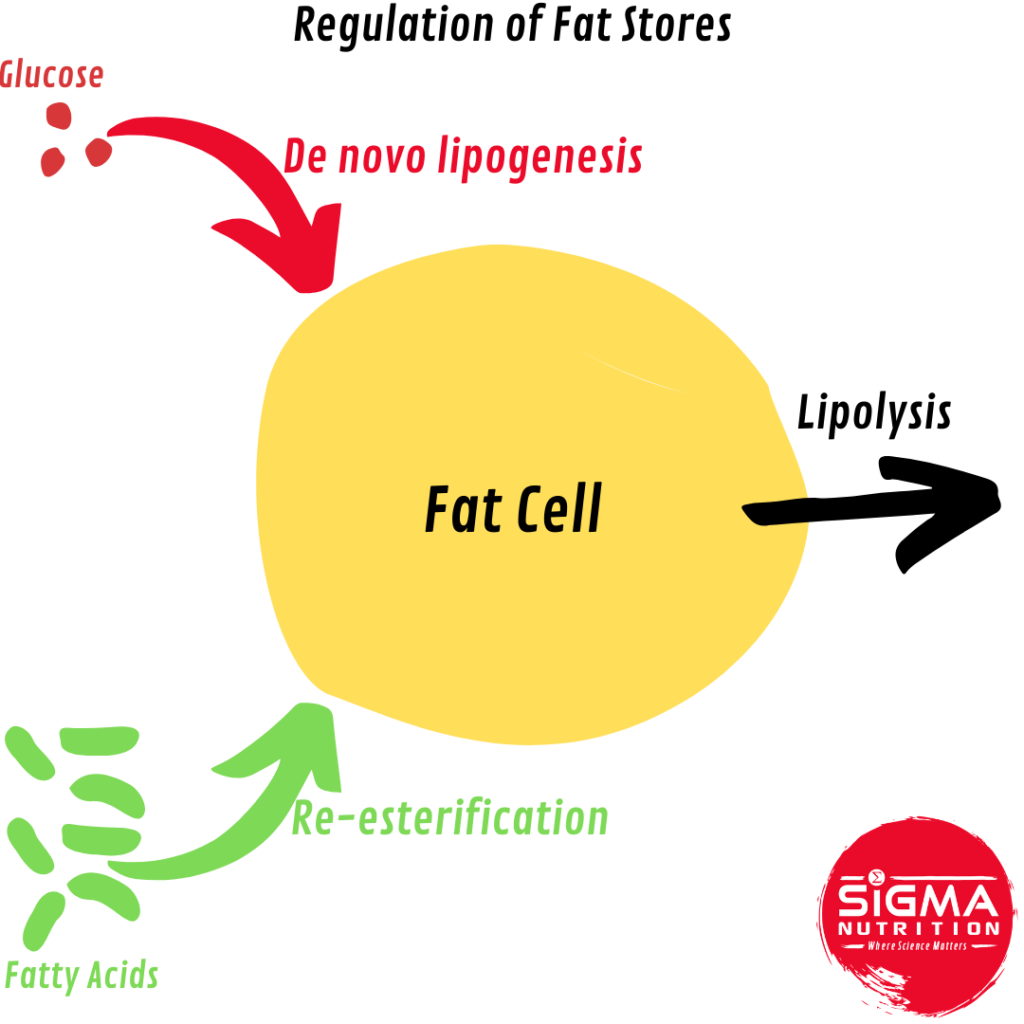
Cell Energy, Cell Functions Find Out Science At Scitable Via a procedure called "beta-oxidation," our cells can generate power by metabolizing among the building blocks of fats-- fatty acids. During workout and durations of fasting, our bodies break down fat shops to release fatty acids, which can then be made use of by muscle mass for fuel. Our weight would certainly increase if we kept the same amount of power as glycogen (plus the water that glycogen holds) that we save as body fat. The majority of us have enough energy stores of fat (fat or body fat), plus the body readily converts and stores excess calories from any type of source (fat, carbohydrate, or healthy protein) as body fat. In order for fat to sustain exercise, nevertheless, adequate oxygen has to be all at once taken in. The second component of this chapter briefly describes exactly how speed or strength, in addition to the length of time that you work out, affects the body's capability to utilize fat as gas.
Which Workouts Not To Sustain With Fat
- The ketone bodies, acetoacetate, and β-hydroxybutyrate act as a resource of gas.
- They located that a healthy protein called Pvf3 is important for fat storage in the fly larvae, which require to save power in order to grow.
- The glycerol produced by lipolysis is a source of carbon for gluconeogenesis in the liver.
- Most of us have enough energy shops of fat (adipose tissue or body fat), plus the body readily transforms and stores excess calories from any resource (fat, carbohydrate, or healthy protein) as body fat.
- They are transported in the blood as lipoproteins and are stored in fat.
Do Fat Cells Enlarge And Burst With Quick Weight Gain?
Activation of adipocyte lipolysis resulted in a significant increase in product lipids, primarily fats, and ceramide types. Additionally, triglyceride swimming pool in serum and liver evaluation showed that linoleate is bountiful. Linoleic acid is an important polyunsaturated fat that is a forerunner for prostaglandins, leukotrienes and thromboxane. The outcomes suggest that hepatocytes save making use of linoleic acid for synthesis of these potent signaling molecules and shop linoleic acid in molecular varieties such as triglycerides.What are the largest fat loss mistakes?
- Remember: your decrease in weight doesn't always mirror fat loss.Mistake 2: overestimating calories burned.Mistake 3: not obtaining enough protein.Mistake 4: relying on cardio.Mistake 5:
- avoiding rest and recovery.Mistake 8: not tracking your intake.Ready to act? Utilizing a pedometer to track your steps. & #x 201c; After regarding 30 to 60 minutes
- of cardiovascular exercise, your body starts burning generally fat, & #x 201d; Dr. Rifai describes.( If you're working out moderately, this takes
about an hour. )If all that workout feels out of reach for you, begin slow and build your means up.